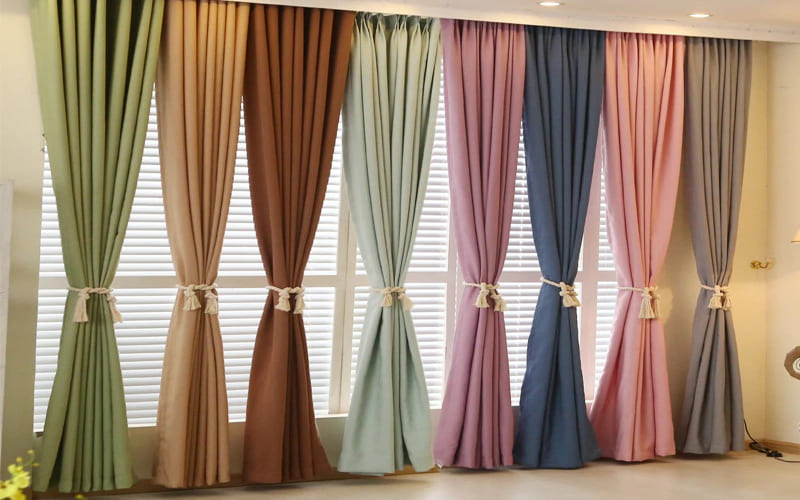
20 Easy Reasons for Choosing Curtain Fabric in Walsall, Birmingham and Lichfield
Wiki Article
From Birmingham To Walsall: The Local Guide To Curtain & Upholstery Fabric Shops
Finding the West Midlands' rich tapestry of fabric stores can turn the simple sewing project at home or a professional overhaul into a journey of exploration. This guide goes beyond the general listings available on the internet to explore the unique particularity, specialty and hidden gems within fabric shops from Birmingham's bustling market, to Walsall's practical stores to Lichfield's well-curated boutiques. Knowing the region's landscape will help you find the right fabric that is suitable for your project, whether it's a heavyweight damask that you can use to make stately floor-length drapes, resilient linen-blend fabric for furniture upholstery for the entire family, or a delicate fabric to make dressmaking. Here are the top 10 strategies you should follow to know in order to maximize the value of the textiles available within the region.
A detailed Top 10 Things to Know:
1. The Specialized Geography: Birmingham for Volume & Variety, Lichfield for Curation, Walsall for value & Trimmings.
Don't assume that all locations offer the same service. Birmingham is a great place to shop, especially the renowned Rag Market and the specialist warehouses located in the Jewellery Quarter, provides unparalleled quantity as well as competitive "fabric by the millimetre" prices, and an extensive range of curtain and upholstery fabric. Lichfield fabric stores are well-known for their meticulously curated collections. These include designer fabrics and upholstery textiles. The shops also provide expert service. Walsall has a strong heritage in leather and trimmings and its fabric stores often excel in providing exceptional prices on practical homewares as well as sturdy furniture and all the ancillary tapes threads, ties, and threads needed for professional-quality made-to-measure curtains.
2. Beyond "Curtain fabric" What is the difference between Lightweight, Medium and Heavyweight Furniture.
Local shops will classify the fabric in more detail than "curtain". For curtains that are functional and made specifically for you, you have be aware of the distinction between lining and weight. Voiles and cottons with a light weight in Birmingham's markets work well with easy, sun-diffusing styles. Lichfield shops offer linens that are medium-weight and blends. These fabrics provide structure to achieve classic draped designs. Blackout, velvets or heavyweight jacquards can be found in furniture stores due to their thermal insulation capabilities as well as light blocking properties and formal elegance. A knowledgeable store in Walsall will inquire about the window's design and curtain's function before suggesting an appropriate fabric.
3. Martindale Rub Tests: This is the "Upholstery Fabrics Compliance Check".
Don't use fabric not specifically designed for furniture. Good shops at all three locations can give the Martindale rub count for any upholstery fabric, a measure of its durability. The seating for residential uses must contain at minimum 15,000 rubs. heavy domestic use requires greater than 25,000 rubs, and commercial contracts need 45,000+. Birmingham wholesalers might have technical specifications. The Lichfield boutique could describe the appearance of fine but high-score blended wool. It is essential to adhere to this specification to ensure a long-lasting result.
4. Many shops have local makers they trust.
The majority of local fabric shops, particularly those located in Lichfield, Walsall and other localities, are part of an organization that is made up of local artisans. If you purchase fabric in metre lengths for curtains, ask if they can recommend an area-based curtain maker. It's a win-win The client gets a highly skilled and vetted craftsman who knows how to handle the fabric. The maker will get a customer who arrives prepared. This turns a custom-made curtain project from an intimidating task into a seamless collaboration.
5. Dress Fabrics vs. Furnishing fabrics: Cross-over Potentials and Pitfalls.
Birmingham's Rag Market offers a wide variety of dress fabrics. They can be used into unconventional curtains that are lightweight (think cafe curtains or sheer overlays). The opposite is a grave error: don't use curtains or upholstery fabrics for clothes. Fabrics used for upholstery contain flame retardants and are made in a way that is not safe for the skin. A Lichfield store that specializes in both categories will clearly define between them and offer guidance on cross-overs.
6. The secret to "Fabric by Metre" Calculation: Pattern Repeating and Railroading.
The dimension of your window not the only aspect to think about when shopping for fabric. For patterned curtain or upholstery fabrics the pattern's "repeat" dramatically increases the yardage. The shops in Walsall can help you calculate using repeats, not width. For wide upholstery projects (like sofas), ask whether the fabric can be "railroaded"--where the pattern is across the bolt horizontally. Birmingham's commercial fabric suppliers are typically happy to offer this advice since it can save you a few metres of fabric and reduce seams.
7. Birmingham's trade counters that are hidden: The Pro's upholstery fabric source.
Birmingham also offers industrial-style trade providers. For serious upholstery projects, and for substantial custom-made curtains these are the best places to visit. Certain need appointments or trade accounts, however, all have showrooms with thousands of sample. Exclusive agreements are being signed with major factories and their staff have extensive knowledge of the technical aspects. They are the undiscovered engine room for the region's fabric supply.
8. Lichfield's Finishing Touch Philosophy - Where Trimmings make the complete story
The finishing section is typically the main strength of an Lichfield boutique. The type of trim you choose--a braid or fringe, or tassel tape--can define a pair of custom-made curtains. These stores offer exquisite and often unique trimmings that aren't available in the market. These shops understand the importance of having a perfect chair's upholstery fabric is enhanced by an ideally-matched weaving cord. They view these details as integral and not just an added bonus.
9. The practical history of Walsall is the best choice for durable leather and household items.
Walsall is a thriving industrial history. Ses fabric shops offer the most robust and comfortable home upholstery fabrics. In addition the town's long history as a hub for the production of leather means that many stores are able to provide upholstery fabrics that are made from high-end faux or genuine leather. They can typically be purchased in metre increments and for less than other places.
10. The Consultation Ritual - Releasing your entire world to the Sample
Consultation is by far the most valuable service a local shop can offer. Bring pictures, samples of paint or wallpaper, and your measurements to any local shop, whether it is in Birmingham, Walsall or Lichfield. A reputable store will show you drapes under different lighting, explain the way they fall and will loan large samples. This process transforms the abstract "fabric per millimetre" into a definite personalized idea of your custom curtains or a reupholstered chair, embedding the project in the local knowledge. Check out the best curtain fabric for blog advice including curtains and tie backs, curtain sizes uk, curtains and tie backs, curtains on a window, blinds uk, curtain in house, curtains in a window, hole in the wall walsall, curtains and tie backs, curtain fabric shop near me and more.
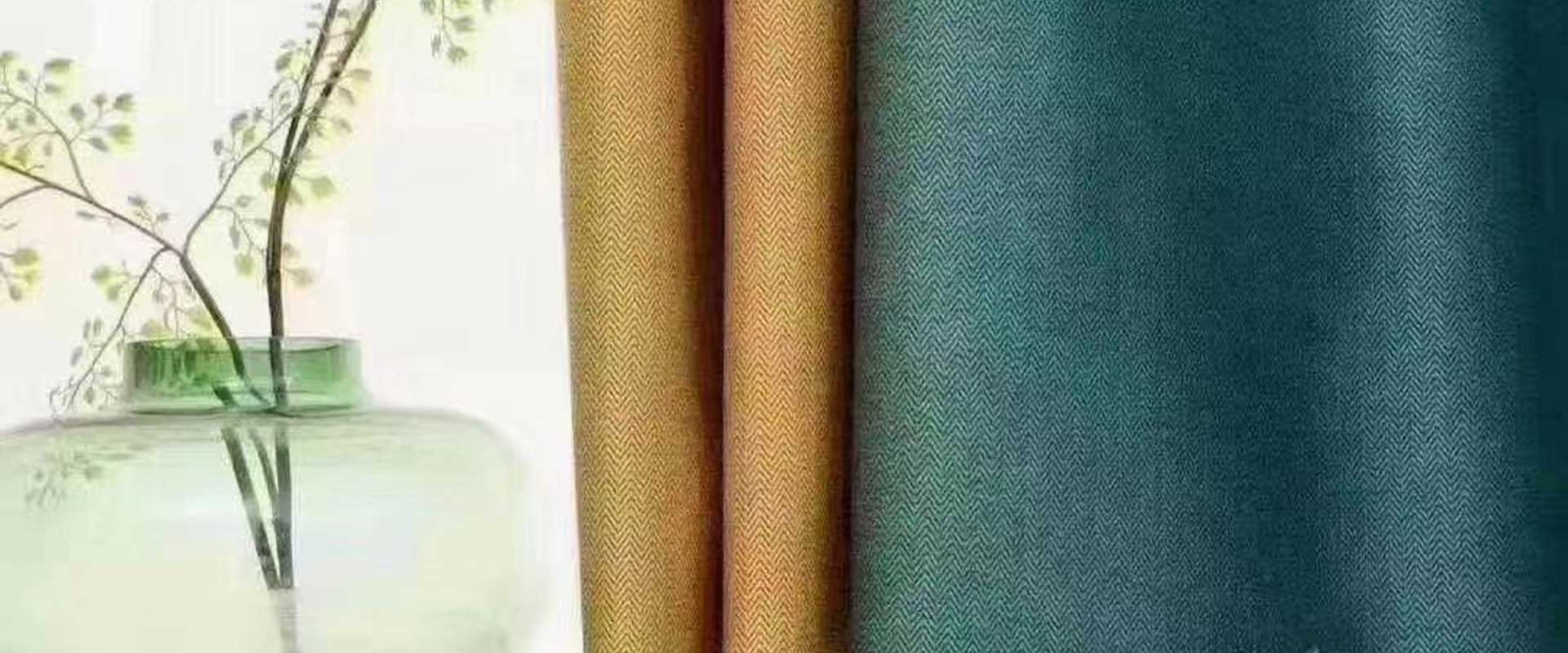
Dress Fabric Adds A Unique Fashion To Customized Curtains
While curtain fabrics are vast however, they work within certain parameters: durability, weight, and light management. Dress fabric is utilized to create custom curtains. It's not an easy substitute, but rather a inventive straying. This crossover takes advantage of the vivid colors intricate patterns, and the fluid drapes that are found in clothing textiles. This gives windows a unique style that is not possible with standard furniture designs. However, this isn't an easy and risk-free option. It requires a sophisticated understanding of material science and innovative design. From the luxurious silks of a Lichfield fashion boutique to the vibrant cottons available on Birmingham's markets, this book explores 10 critical insights to successfully reimagine fabric as drapery.
Details of the Top 10 Things You Need To Be aware of:
1. The Structural Enhancement Imperative Dress Fabric Is a Component Not A Single.
The cardinal rule is that dress material alone isn't enough to make the purpose of a curtain. Its main function is to serve as the "face" of the curtain. It is crucial to pair it with a hidden structure. The calico is then backed by a solid neutral fabric (called an 'underlining" in dressmaking). This gives the garment body and also a sense of transparency. This three-layer sandwich stabilises the often lighter, more elastic dress fabric, reducing seam strain, and allows it to hang with the authority of a furnishing textile. A curtain maker familiar with this technique is essential; many in Walsall or Birmingham's workrooms might hesitate, but a Lichfield-recommended artisan, versed in delicate cloth, will understand.
2. The Sunlight and Sanctuary Test: Prioritising North-Facing or Low-Light Windows.
The most effective applications are found in areas where the fabric is protected from the sun's constant, intense assault. The ideal locations are a north-facing reading corner as well as a bathroom or bedroom with shaded windows. A delicate silk taffeta or a printed viscose over the south-facing side of a bay window is an invitation for an immediate, heartbreaking fade as well as fibre degradation. This geographical consideration should dictate the location of your project before you step foot into the shop. Your search will be refined to only include fabrics that are suitable for shelters.
3. The Lichfield Loophole: Exploiting End-of-Bolt Designer Remnants.
The fabric stores in Lichfield are the ideal place to hunt for fabrics. High-end fabrics are usually sold in three to five meters of bolt ends. They're not enough to create a dress however they're great for cafe curtains or even a distinctive window. These remnants can be purchased in European mills and designers such as Liberty. They have exclusive fabrics featuring top-quality designs at a reasonable cost. The small meterage allows for a creative, focused application--perhaps as a skirt for dressing tables or a canopy, instead of full-length drawing-room curtains--which often yields stunning outcomes.
4. The Width Mismatch Calc: Letting go of the Seam as Design Features.
Dress fabric may be up to 115cm (or 140cm) and is a bit narrower than standard curtain fabric (137cm (15cm). In order to achieve the desired level of fullness (2.5xrail width), more vertical seams will be needed. Instead of obscuring them you can make them a feature. Use a contrasting fabric (sourced from Lichfield’s exquisite hatsheries) to sew into every seam. You can also apply a vertical upholstery band down each join. This method transforms a basic seam into a couture-inspired, purposefully panels-like look, mimicking the structured seams in the tailor-made coat.
5. The "Upholstery Fabric: Partnership": Create a coherent blend.
Curtains made of dress fabric are fun when combined with upholstery fabrics. Dress textiles can be used as accents, like an affixed hem, a leading edge or a layering Valance (valance) over curtains that are made of heavyweight, solid wool or cotton. This allows you to make use of a smaller, less expensive amount of the finest dress fabric (a metre or two from Birmingham's Rag Market) while gaining the thermal and light blocking properties of a quality furniture fabric. It allows for an interaction between the delicate and the substantial.
6. The Formal to the Fluid Spectrum: Matching fabric types to curtain designs.
Certain styles of curtains work with dress fabrics. The purpose of the curtain should be in line with the intended usage of the dress. Dupion silks, or brocades that are structured that are designed for formal wear are perfect for flat-pleated tailored curtains that have sharp, distinct lines. Fluid crepe de jersey or chine, both designed for flowing dresses, are ideal for loosely-gathered "puddled" organic drape curtains. Birmingham vendors might only offer "fabrics by the millimeter" however, in Lichfield shops, they may discuss "drape coefficients" which will affect the header of the curtains and their construction.
7. The Care Cycle Conundrum - The art of planning for delicate maintenance
The model of "set it and forget it" is not applicable to curtains that are custom-made from dress fabrics. The care and cleaning of the curtains are a significant part of its story. The most effective method to clean them is by steaming, not washing. A soft vacuum using brush attachments or a seasonal rotation will help even out the light exposure. Make this choice consciously. When shopping for clothes, inquire about the cleaning. For example the Walsall retailer may offer practical suggestions. However, a Lichfield boutique may examine the change in patina on natural linens or silks as an advantage, not a problem.
8. Birmingham Market Foray in Birmingham. You are looking for theatrical or Heavier Dress Cloth.
Birmingham's markets are filled with stalls dedicated to costumes, theatre or historical reenactments. There, you will discover the heavier "dress fabrics": velvets designed to be used in clothing. Heavy wool twills are utilized for coats. They also have densely-embroidered nets. These are durable fabrics and come with the body required for curtains. There's no need to provide structural support. This kind of sourcing turns the Birmingham excursion into an adventure in search of the strongest dresses.
9. The Header and hardware Harmony: Choosing Right Top Treatment.
The curtain's head must complement the fabric's style. A huge, rigid pinch-pleat could ruin the delicate chiffon. If you want to add more elegance opt for a gathered head or tab-top that is attached to a, thin pole. The traditional triple-pleat on a pole made of wood can add the formality required for heavy jacquard dresses. Consult with your maker before making any purchases with fabric, as it can impact cut lengths as well as tension points. A Walsall workspace may choose to use regular tape, but you need to help them to achieve an aesthetically pleasing finish.
10. The Narrative Integration: Let Fabric's Story Decide the Room's Ambience.
Ultimately, this choice is about the narrative. The vivid African wax-print fabric that was used to make this curtain (found in some Birmingham markets) is a story of colour and energy all over the world. Linen curtains made from an Lichfield remnant, once destined to be used as a summer outfit are a refreshing, pastoral elegance. This technique goes beyond just decor. The window treatment demands that the window treatment has meaning. It transforms the curtain into a picture frame.